
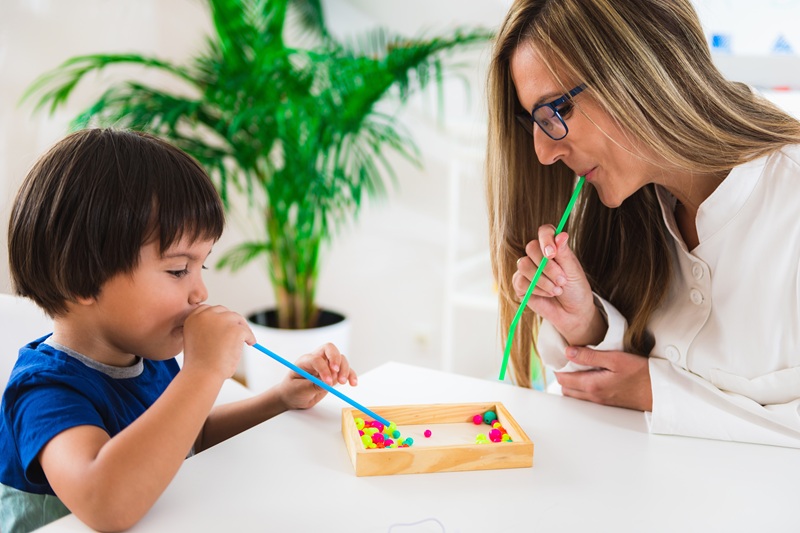
Sensory and hands-on learning matters in early childhood because it helps children understand the world through touch, movement, sight, sound, and real-life experiences. It strengthens brain development, builds fine-motor and problem solving skills, promotes independence, and supports emotional and social growth. Montessori education emphasizes sensory rich, hands-on activities because they help children learn faster, remember better, and build confidence through self-directed exploration.
Suppose you’re a parent wondering why sensory activities and hands-on learning are so important. In that case, this blog explains what they are, how they support development, why Montessori uses them, and how you can help your child at home.
Every day, sensory and hands-on activities include:
- Playing with sand, clay, and natural objects
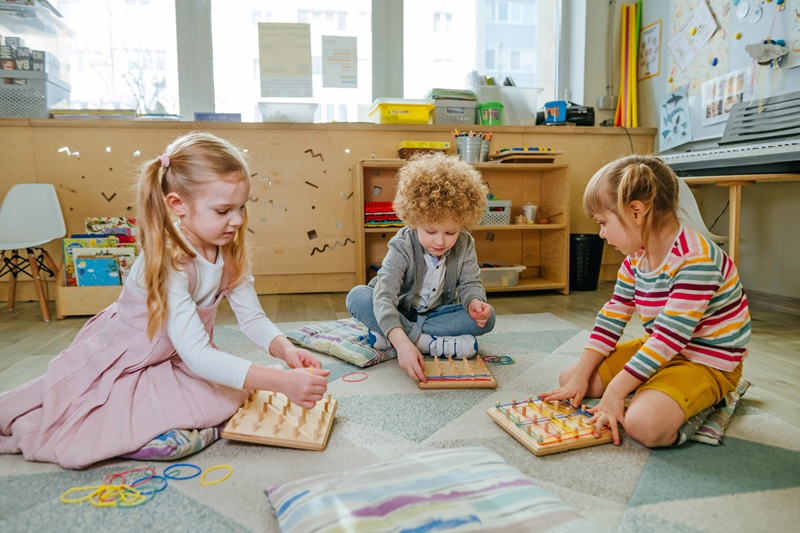
- Using Montessori materials like cylinders, pink tower, and beads
- Matching sounds or textures
- Gardening, cooking, washing, cleaning
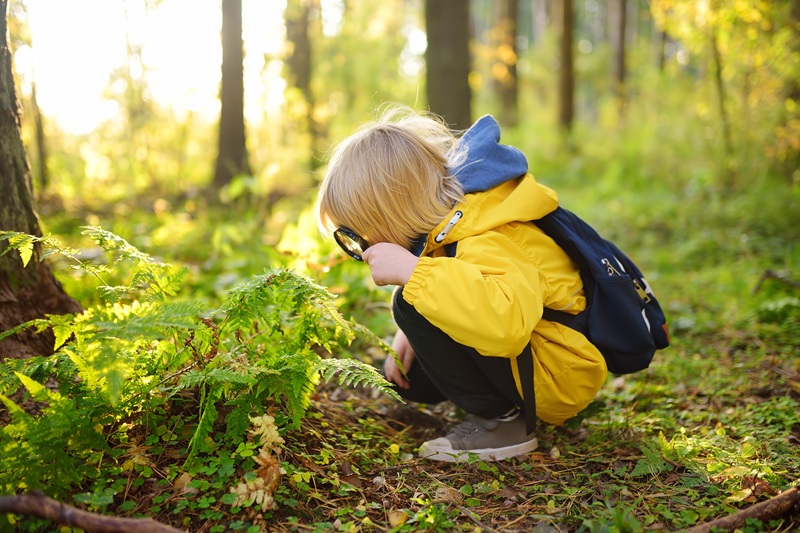
- Outdoor exploration, like walking, climbing, or nature play
- Pouring water, scooping rice, sorting beads
These activities may seem simple, but they strengthen essential skills that children will rely on throughout their lives.
Why Does Sensory Learning Matter in Early Childhood?
Parents often ask:
Why do so many preschools and Montessori programs use sensory activities?
Because early childhood is when children naturally learn through touch, testing, and exploration.
Here’s how sensory learning supports development:
1. Boosts Brain Development
Sensory exploration forms strong neural pathways. Every new texture, smell, sound, and movement strengthens the brain’s memory and reasoning abilities. Children who engage in sensory activities develop better problem-solving and decision-making skills.
2. Builds Fine-Motor & Practical Life Skills
Activities like pouring, threading, holding objects, or sorting beads strengthen hand muscles and improve coordination. These early skills support writing, drawing, cutting, and even self-care tasks like dressing.
3. Improves Concentration & Focus
Montessori classrooms emphasize calm, purposeful activities that naturally extend a child’s attention span. When children concentrate on a hands-on task, they practice deep focus — a skill essential for school readiness.
4. Encourages Creativity & Imagination
Sensory materials promote open-ended play. Children learn to experiment, create, and imagine possibilities, which later fuels innovation.
5. Supports Emotional Regulation
Sensory play (e.g., squeezing clay, running fingers through sand, water play) helps children calm themselves, express emotions, and feel grounded. It reduces anxiety and provides a safe outlet for emotions.
6. Strengthens Language Development
When children encounter new objects, they naturally learn new vocabulary, such as rough, smooth, cold, soft, heavy, loud, or quiet. Sensory experiences help children build descriptive language skills.
7. Encourages Independence
Hands-on learning helps children gain confidence as they perform fundamental tasks, such as pouring their own drinks, setting the table, and cleaning up. Each accomplishment boosts self-esteem and independence.
How Montessori Uses Sensory & Hands-On Learning?
The Montessori approach is based on the idea that children thrive when they can explore, make choices, and engage in practical, hands-on learning. Sensory materials are a core part of the Montessori environment.
Montessori sensory materials include:
- Color tablets
- Sound cylinders
- Smelling bottles
- Pink tower
- Brown stairs
- Red rods
- Sandpaper letters
Each material isolates one skill or sensory element — colour, size, weight, texture, length so children can understand concepts more deeply.
Why Montessori’s Approach Works?
1. One Concept at a Time
Montessori materials isolate a single concept (such as size or colour), so children can understand it clearly without distractions.
2. Auto-Education (Self-Teaching)
Materials are self-correcting. Children realize their own mistakes and fix them without adult intervention. This builds independence and critical thinking.
3. Real-Life, Practical Activities
Pouring water, sweeping floors, washing hands — these help children practice responsibility and build strong motor skills.
4. Child-Led Learning
Kids choose activities based on their interests, which increases motivation, curiosity, and engagement.
5. Repetition Builds Mastery
Children repeat activities as many times as they want. Repetition strengthens neural pathways and builds competence.
How Sensory Learning Helps Children Beyond Montessori?
Even outside Montessori schools, sensory and hands-on learning is widely recommended by educators, pediatricians, and child psychologists.
Here’s why it matters everywhere:
- It supports STEM learning (science, engineering, math)
- It encourages problem-solving and creativity.
- It builds foundational skills for reading, writing, and math.
- It improves behaviour and emotional regulation.
- It encourages healthy physical and cognitive development.
Whether at home, daycare, or preschool, sensory play helps children feel confident and curious about learning.
How Parents Can Support Sensory & Hands-On Learning at Home?
You don’t need expensive toys. Simple activities can support sensory and cognitive development.
1. Nature Play
Let your child collect leaves, touch tree bark, run barefoot on grass, or play with rocks and shells.
2. Water & Sand Play
Pouring, scooping, or measuring helps children develop coordination and concentration.
3. Kitchen Activities
Let your child help mix, stir, wash vegetables, sort beans, or pour water.
4. Sensory Bins
Fill a bin with rice, lentils, cotton balls, pasta, or buttons. Add spoons, cups, and scoops.
5. Montessori-Inspired Work
Simple tasks like folding napkins, sweeping, or sorting objects teach focus and independence.
6. Creative Play
Painting, clay modelling, and drawing encourage expression, imagination, and sensory exploration.
7. Limit Screens
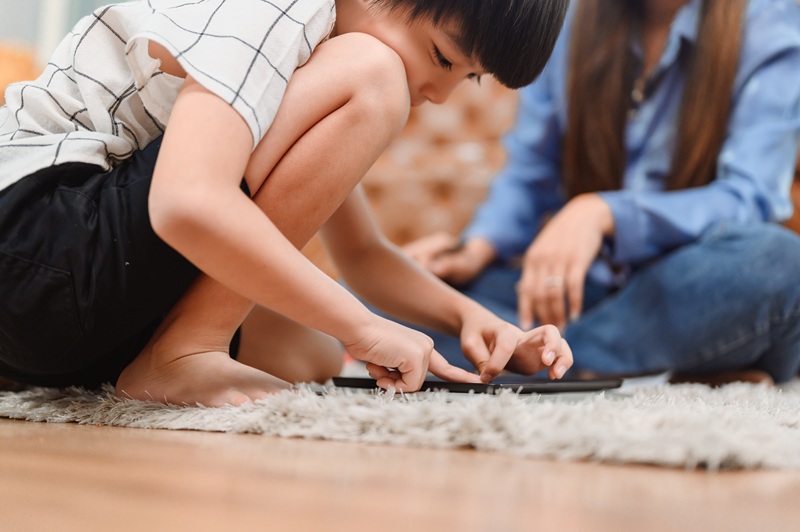
Hands-on play encourages real learning and more profound understanding — more than passive screen time.
These activities teach essential skills and help children feel calm, confident, and engaged.
Why Sensory Learning Builds Strong Foundations for Life?
Children who learn through hands-on exploration grow into:
- Creative thinkers
- Better problem solvers
- Emotionally stable individuals
- Independent decision-makers
- Strong communicators
Sensory learning doesn’t just help with school readiness . It builds the foundation for lifelong curiosity and confidence.
FAQs:
1. What age is best for sensory learning?
Sensory learning is vital from birth to age 6, but children of all ages benefit from hands-on exploration.
2. Is sensory play messy?
It can be, but simple setups like bins, trays, or outdoor play help keep things manageable.
3. Does Montessori require expensive materials?
No. Many Montessori-inspired activities can be done with household items like cloths, spoons, bowls, and natural objects.
4. Can sensory learning help with behaviour?
Yes. Sensory play helps children regulate emotions, reduce anxiety, and improve focus.
Contact Little Champs Montessori Childcare Inc.
If you’re looking for a licensed, nurturing Montessori dayhome in Calgary NW, here are the details:
📞 Phone: 403-313-7886
📧 Email: info@littlechampsmontessori.com
📍 Address: 82 Rockbluff Close NW, Calgary, AB T3G 5B2, Canada